
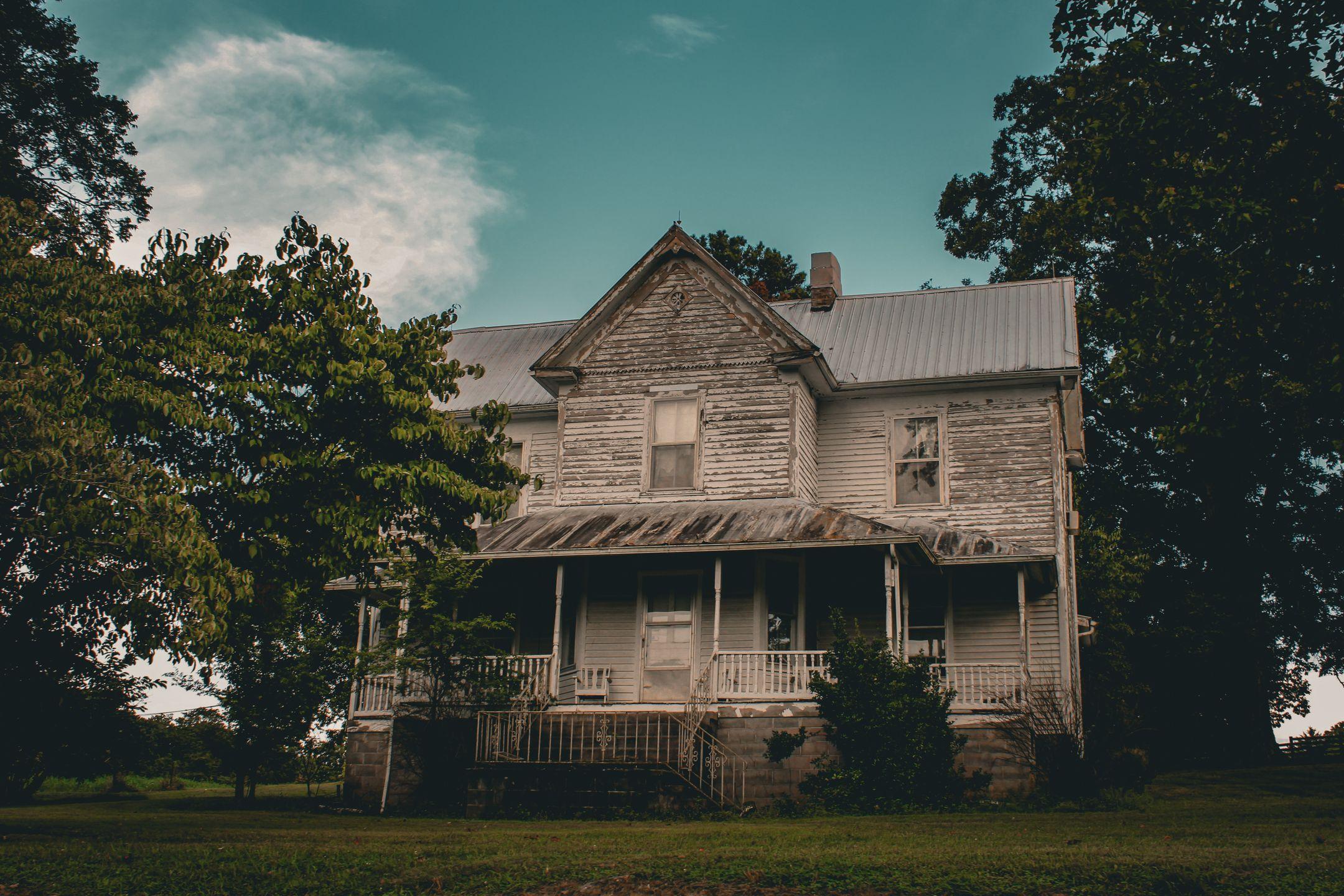
When your home's exterior needs new siding, replacement windows, roof repairs, and other updates, deciding where to start can feel harder than the work itself.
You may have a long list of projects. The roof looks tired. Some windows are drafty. The siding has seen better days. Trim needs attention. And you would like the whole house to look better.
The mistake is treating every project as equal.
A smart exterior house renovation follows an order. You address problems that protect the home first, then improve performance, and finally focus on appearance. This approach helps you avoid spending money on work that needs to be removed or redone later.
For homeowners in New York and New Jersey, planning also matters because the weather puts a lot of stress on roofing, siding, windows, and other exterior components.
Here is where to start.
Before choosing colors, window styles, or siding profiles, find out what your house actually needs.
Walk around the property and look at the roof, gutters, siding, windows, doors, trim, foundation, and areas where different materials meet. Look for obvious signs of water intrusion, rot, cracking, loose materials, damaged flashing, and gaps.
You do not need to diagnose every problem yourself. The goal is to create a complete list before work begins.
A professional inspection can help identify problems that are not obvious from the ground. This is especially useful when several exterior projects are connected.
For example, damaged flashing around a roof penetration can contribute to water problems inside the home. Deteriorated siding can hide moisture damage. Old windows can have issues with seals, frames, or surrounding trim.
Starting with an assessment gives you a clearer picture of the project.
Water is one of the biggest concerns during an exterior house renovation.
A new appearance does not matter much if water is still getting into the home.
Start with the roof and other areas that protect the house from the elements. Address active leaks, damaged roofing materials, failing flashing, and other sources of water intrusion before moving to cosmetic upgrades.
The Federal Emergency Management Agency recommends maintaining roofs and gutters as part of protecting homes from water and weather-related damage. You can read more about home maintenance and resilience through FEMA's<a href="https://www.fema.gov/sites/default/files/documents/fema_homeowner-guide-to-retrofitting_2023.pdf"> Homeowner's Guide to Retrofitting.
This does not mean every home needs a new roof. A professional inspection can help determine whether repair, maintenance, or replacement makes sense.
The same principle applies to siding and windows. If moisture is entering around a window or behind damaged siding, address the cause before covering it with new materials.
Your roof has a major role in protecting the rest of the exterior.
If you need both roofing and siding work, handle roofing concerns first. Roofing work can involve ladders, tools, debris, and materials that affect the areas below. Completing the roof first reduces the chance of damaging newly installed siding or trim.
Roof work also gives you a chance to inspect related components. Flashing, vents, roof edges, and other details need to work together to keep water out.
Again, replacement is not always the answer. If your roof is in good condition and needs only limited repairs, repair may be the better choice.
A good contractor should explain what needs attention and why.
Once major roof concerns are handled, look at the windows.
Older or damaged windows can affect comfort, maintenance, appearance, and energy use. Check for drafts, damaged frames, condensation between panes, difficult operation, and visible deterioration.
The U.S. Department of Energy explains that air leakage around windows and doors can contribute to energy loss and that weatherization can improve home comfort and efficiency. More information is available through its<a href="https://www.energy.gov/energysaver/windows-doors-and-skylights"> Energy Saver guide to windows, doors, and skylights.
Window replacement also requires careful planning. Measurements, installation methods, surrounding trim, and exterior finishes all matter.
If you are replacing siding too, coordinate the two projects. The relationship between siding and window trim affects both water management and the finished appearance.
That coordination is one reason it helps to plan the whole exterior before starting individual projects.
Siding does more than change the look of your home.
It forms part of the exterior wall system and helps protect the house from weather. Damaged, loose, cracked, or deteriorated siding deserves attention.
If your siding needs replacement, this is the stage to make that decision.
Think about the condition of the existing siding, the material, maintenance requirements, insulation needs, and the style of your home. You also want the new siding to work with your roof, windows, doors, and trim.
Do not choose siding in isolation.
A color that looks good on a sample can look very different across an entire house. Consider the roof color, window frames, stonework, brick, and surrounding homes before making a final decision.
Once the major systems are handled, finish the details.
This can include shutters, trim, soffits, fascia, entry doors, exterior lighting, and other elements that complete the appearance.
This is where the exterior starts to look like one planned renovation rather than a collection of separate repairs.
It also makes sense to handle these details after larger projects because roofing, window, and siding work can affect surrounding trim.
You do not necessarily have to complete every project at once.
But you should understand how the projects relate before scheduling the first contractor.
For example, replacing windows before siding can affect how the siding is installed around those windows. Roofing work can affect gutters and other exterior components. Siding replacement can involve trim that connects to windows and doors.
A coordinated plan helps reduce duplicated labor and prevents you from completing one project only to disturb it during another.
Ask each contractor how their work connects to the other exterior projects you have planned.
It is easy to focus on what you notice first.
Maybe the siding color looks dated. Maybe the windows do not match the style you want. Maybe the roof has visible wear.
But appearance should not determine the order of work.
Start with safety, water protection, and damage. Then address performance and efficiency. After that, focus on appearance and finishing details.
That order gives you a practical roadmap for your exterior house renovation.
A full exterior renovation does not need to happen overnight.
Start with an inspection. Make a list of problems. Separate urgent repairs from improvements you can schedule later. Then build a project order that makes sense for your house.
For homeowners in New York and New Jersey, choosing an experienced contractor also matters. Weather, older homes, seasonal changes, and local construction conditions all affect exterior work.
Nicholas Contracting has more than 40 years of experience serving homeowners with roofing, siding, and window services. As a family-owned contractor based in Rockland County, the company understands the importance of planning exterior work carefully and completing it properly.
If your home's exterior needs several upgrades, don't start with the easiest project. Start with the one that protects your home.
Contact Nicholas Contracting to discuss your exterior house renovation and create a practical plan for your roofing, siding, and window needs.


